After yesterday’s approach to familiarise myself with Delhi using the hop on hop off bus, today I took the bull by the horns and decided to go freelance and use the taxis and the auto rickshaw.
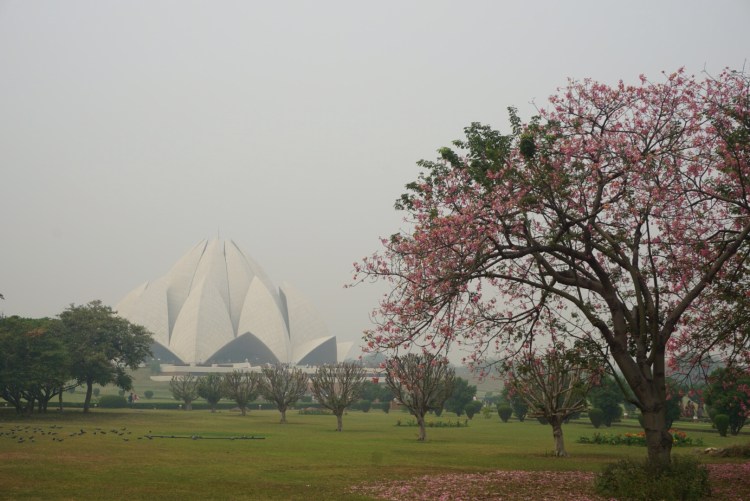
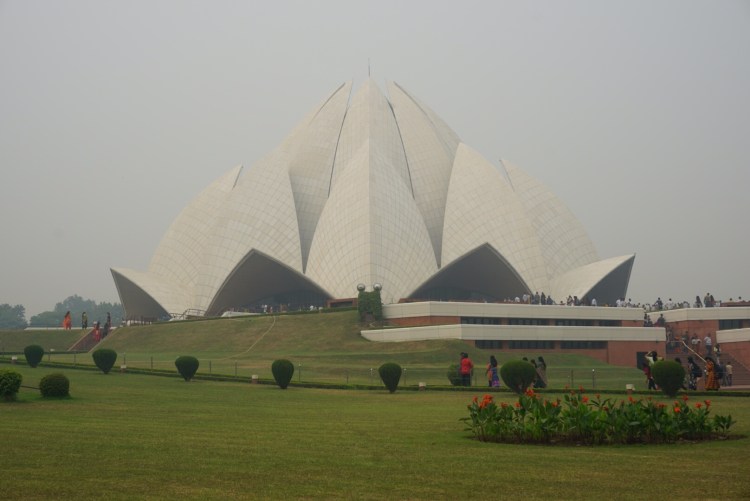
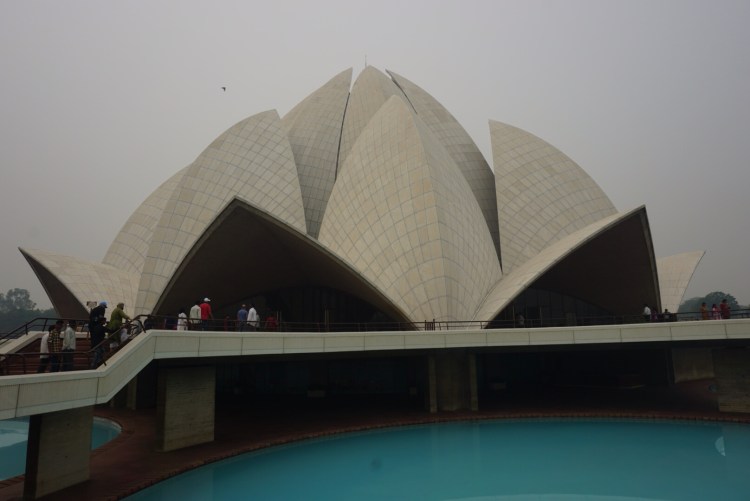
First stop was Lotus Temple, a Baha’i house of worship that was dedicated in 1986, so a recent addition to the city. It seats 2500 people under an enormous lotus flower structure. It looks very much like the opera house with its sails. There are 27 of these petals are marble clad. The inside was amazing but no photos allowed. It’s roof reached high above, 30 plus metres. Entering the gardens was an experience, as everything is. Basically 6 lines of people were trying to funnel into a gate for one person. Every now and then, the security officer would yell at the patrons something about waiting or which queue to break off into after entering the gate. Upon entry just about anywhere important, there is screening and frisking. You break off into lines for men and women or if the place is important enough, you can take the foreign visitor line. While this line is usually much, much quicker, you have paid a premium compared to the locals (10 times more). Having said that, the groping, the arm holding and invasion of ones personal space was for free here.
Back in Sukhchain’s taxi and heading towards Humayun’s Tomb. But Sukhchain was very considerate and thought I needed to go shopping first at Delhi Haat. I didn’t think I needed too, but Charlotte is now the new owner of a lovely silk and Kashmir scarf. As I jumped back in the taxi, old mate Sukhothai, was placing something in the boot of the car. Might have been fleeced here!
So upon arrival to Humayun’s tomb, Sukha was happy to be paid and left me to me here, which I was very happy about.
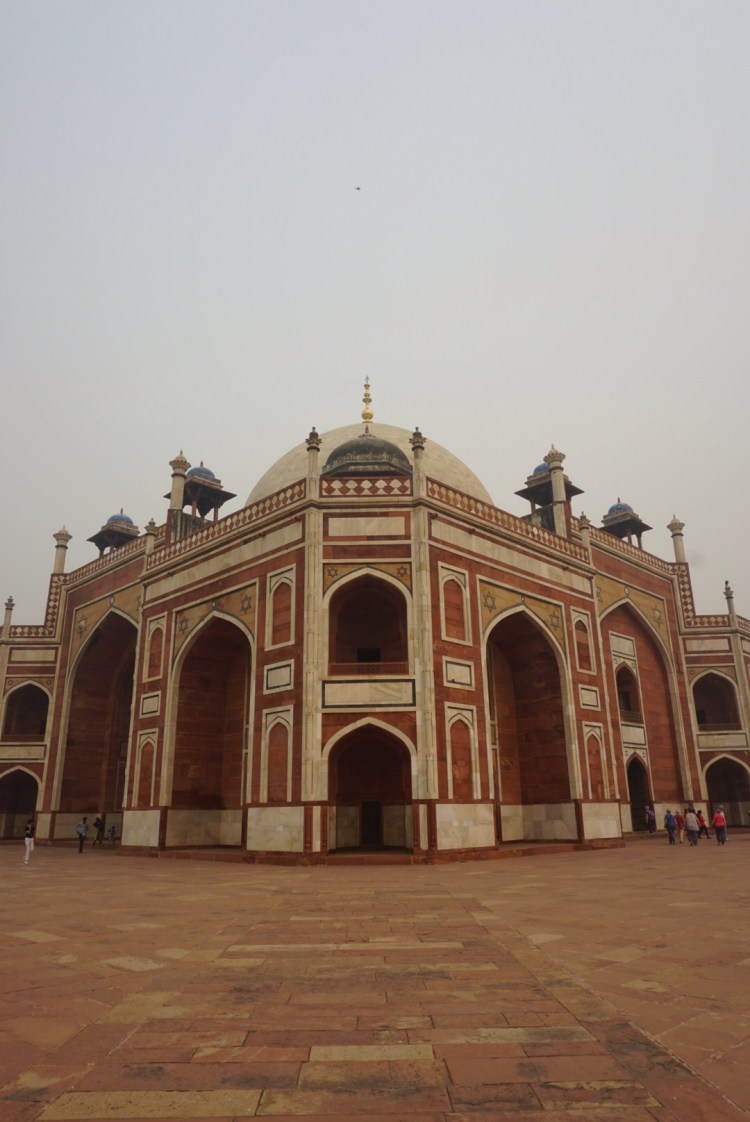
Humayun was a Mughal Emperor and was commissioned in 1570 by his first wife and chief consort. Not sure if the others were consulted or not, but this place is massive. It is a type of garden tomb with 4 water canals leading into the main building. It was the first of its type in India. It is constructed on red sandstone and is a UNESCO world heritage site. The Mausoleum was inspiration for the Taj Mahal but was certainly far more extravagant than his fathers in Kabul.
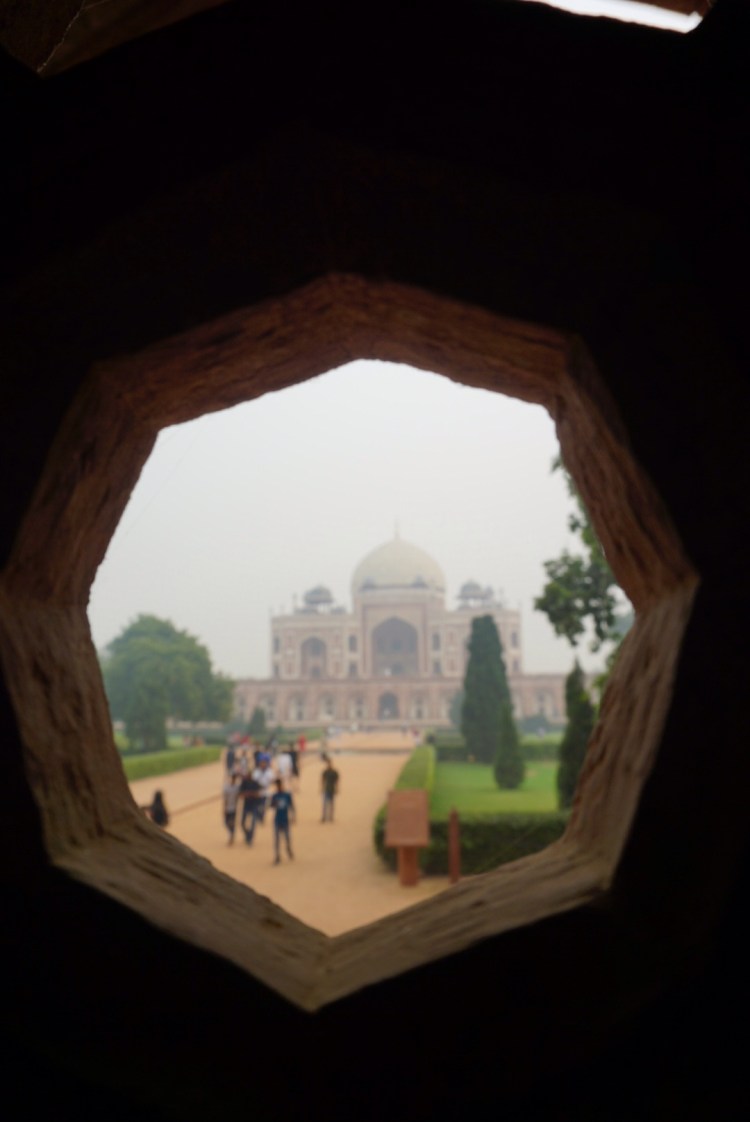
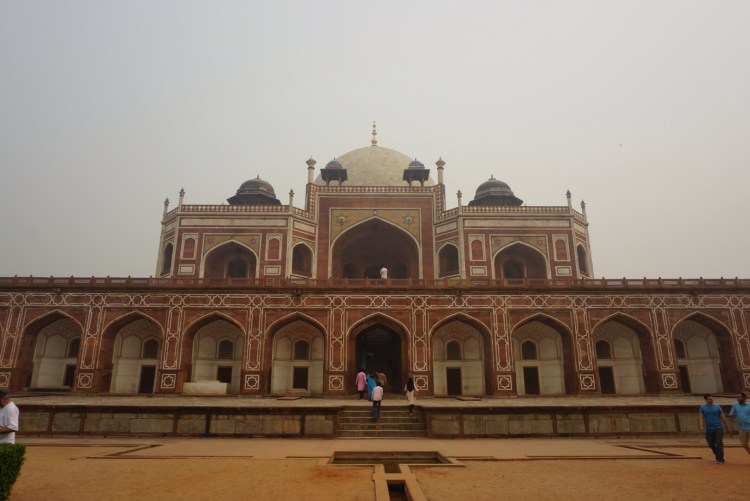
About 120 family members are entombed here. The entire area of the gardens was over 100 acres.
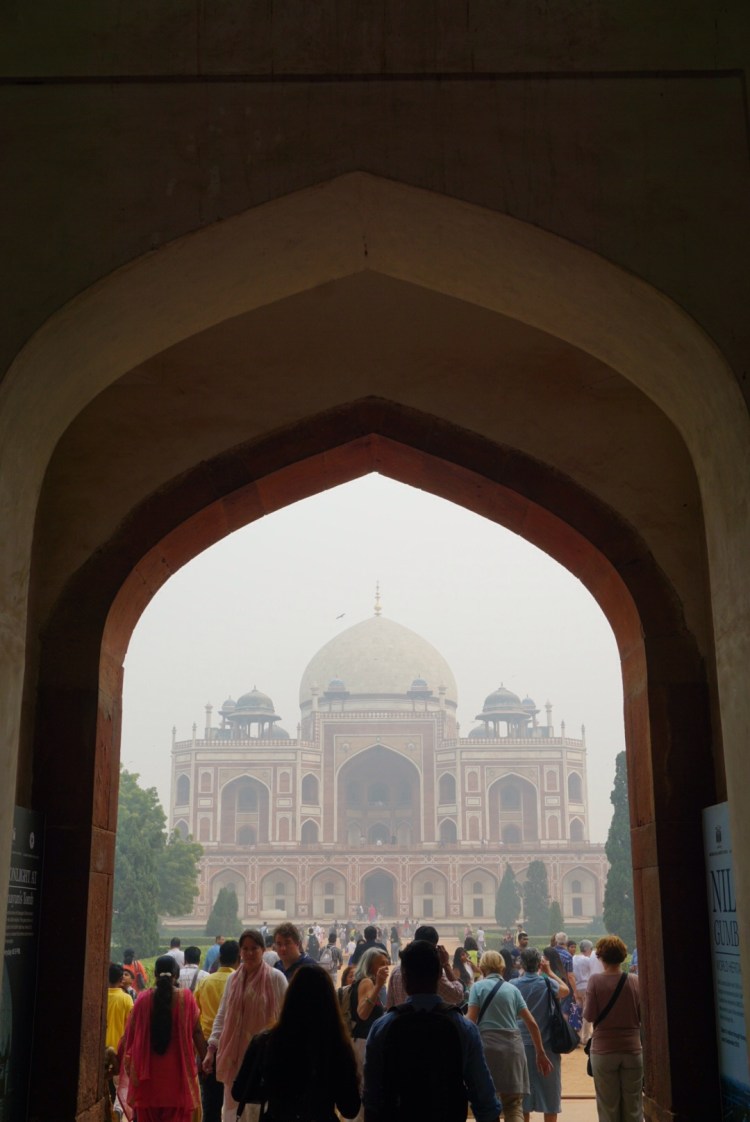
As I walked out of this place, I meet my new best friend. Not sure what his name was, but many don’t recall the names of their one night stands!
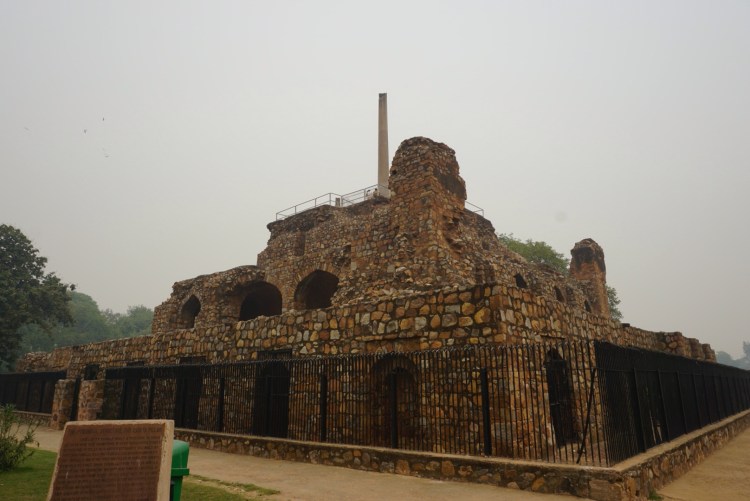
Old mate wanted to know if I needed a ride and I said let’s go to Kotla Feroz Shah, 14th century ruins of the fifth city of Delhi built on the Yamuna River. These ruins are the remnants of the fortress built by Sultan Feroz Shah Tughlaq. The Ashoka Pillar which sits in the middle of one of the ruins dates back to the third century. This place was much quieter and many of the visitors were Muslim.
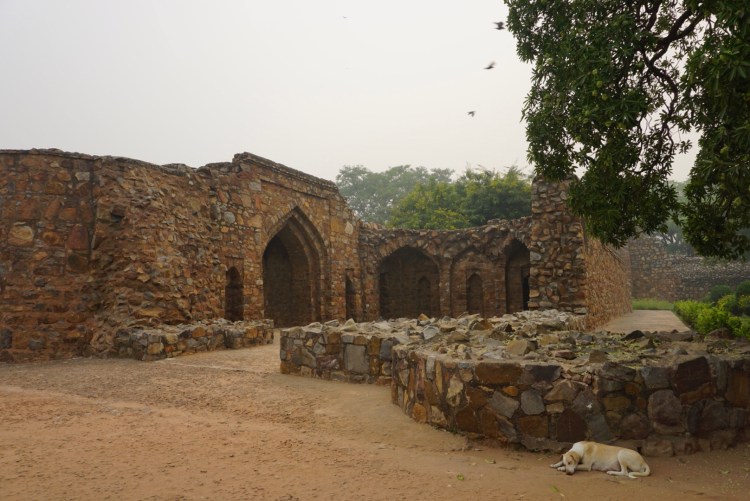
From here on, old mate advised where to go to next. And we we off to Swaminarayan Akshardham. This was the only photo I could get as there are no cameras, phones, bags, etc inside the monument president.
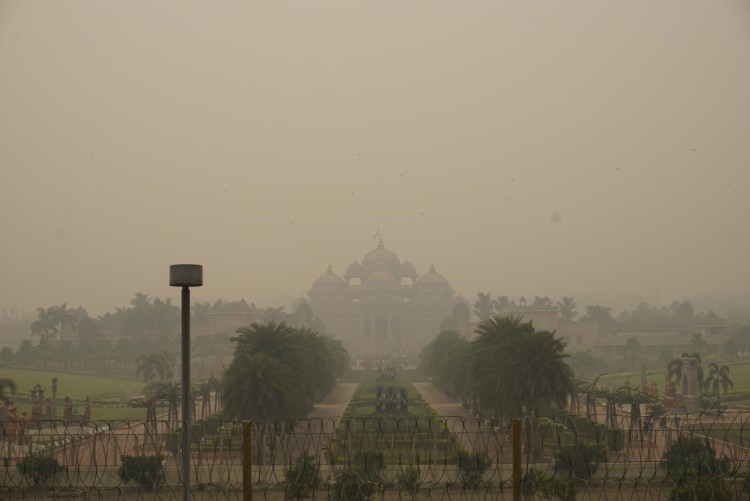
This place was over the river from old and New Delhi, in the suburbs, ext to the old commonwealth games village. The poverty en route to this extravagant place was incredible. The Hindu temple was only opened in 2005 in honour of a 19th century person who was chosen by a god to lead his people.
It was a magnificent structure, made from sandstone and marble, it contained no steel in its structure. But I couldn’t help but think come back in 20 years and it will be starting to crumble like everything else in Delhi.
Old mate did good here, so we rolled the dice and went with his recommendation again, the Agrasen Ki Baoli. This is close to my digs but well and truely hidden away.
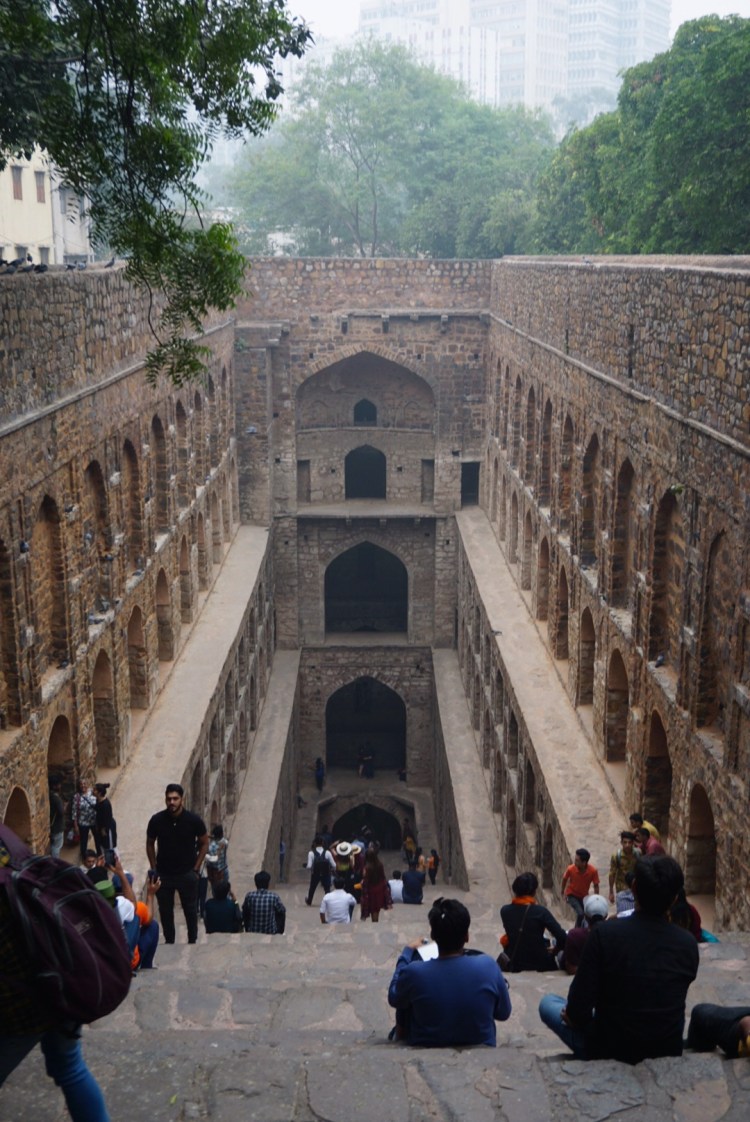
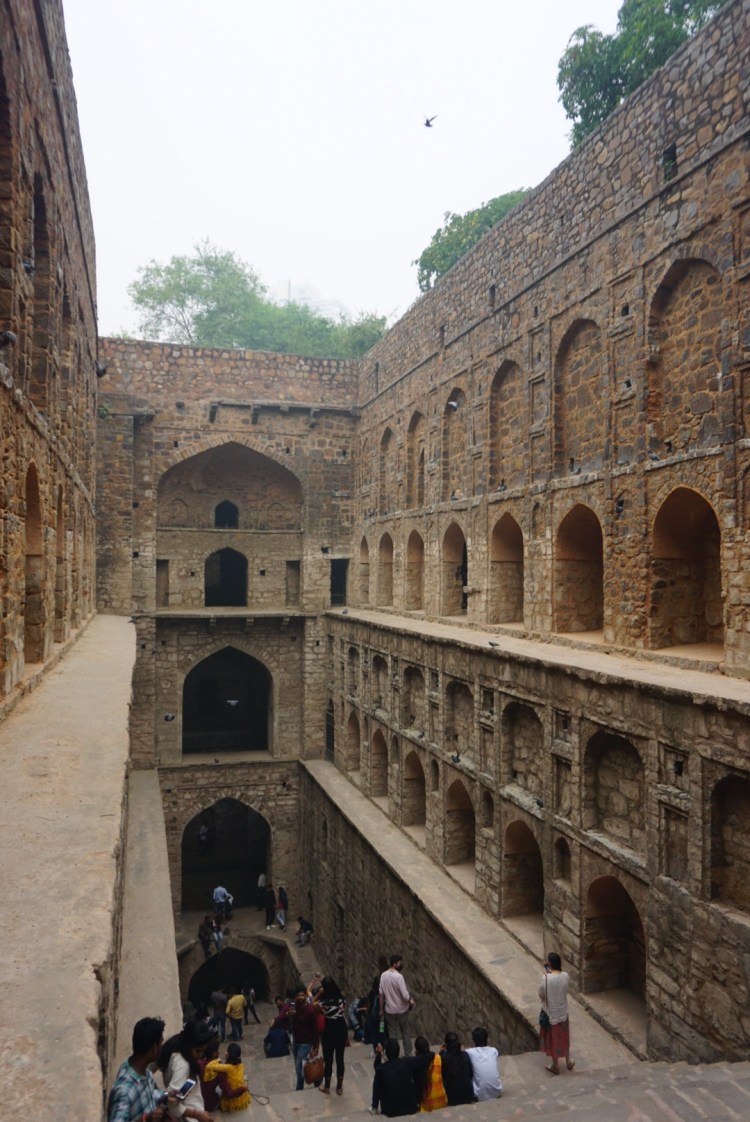
Again from sometime around the 13-14 century, this step well is 60 metres long and 15 metres wide. It’s purpose was to store water underground for the city in its dry periods.
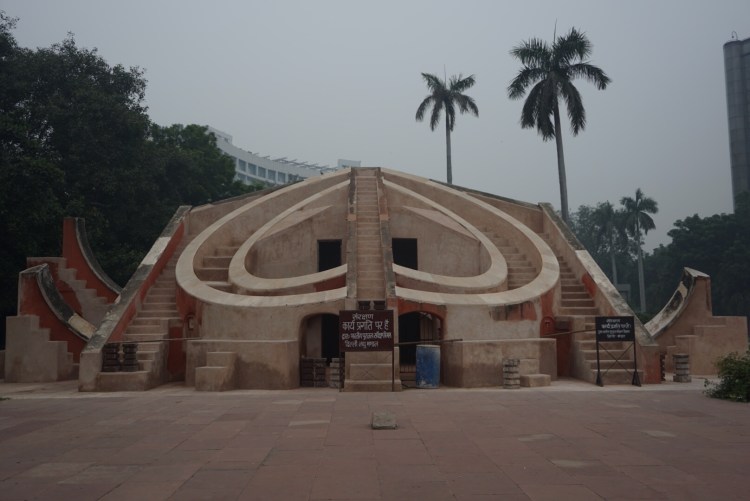
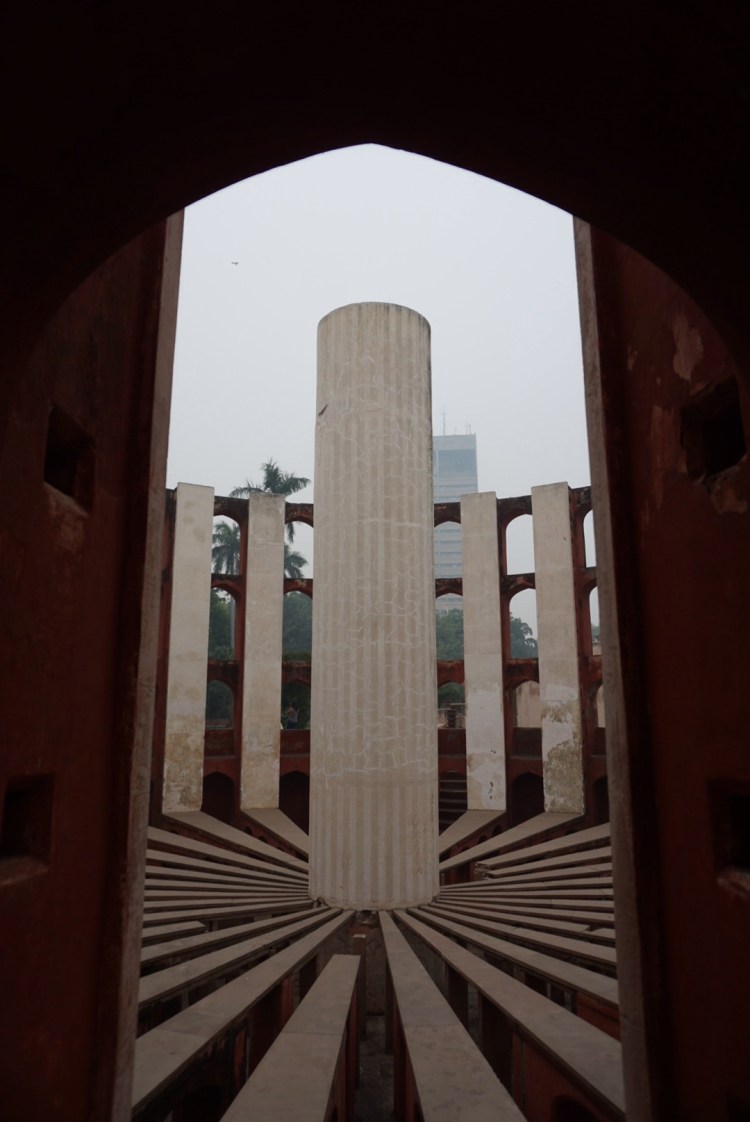
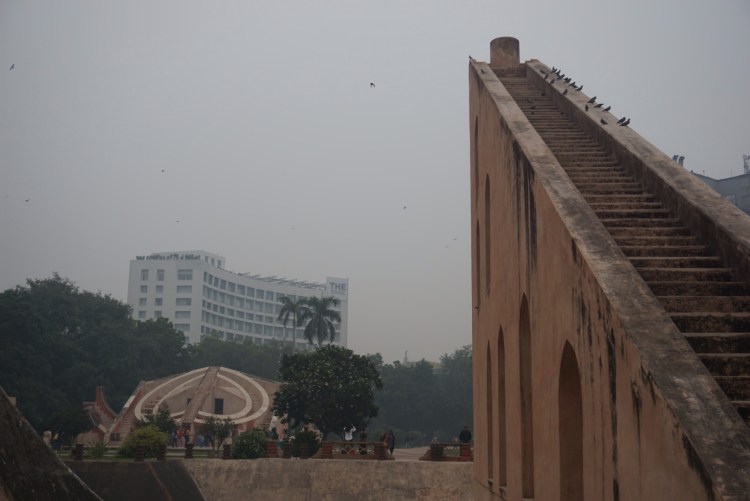
Final stop the day, before the bar with happy hour, was Jantar Mantar, opposite the hotel. This is a collection of nineteen astronomical instruments built by 1734. The instrument precisionally told the local time and the location of celestial bodies. Jai Singh built others around India to improve the accuracy of his readings here in Delhi.
And here is was time to walk all the way back, across the road, to my hotel, The Park.
Old mate did alright today, four hours of work and got more than a good days pay for it to take home to his wife and two children!
 India and Nepal 2019